
20 Black Technology Inventors and Innovators To Know
Despite a history of oppression and exclusion in the United States, Black Americans have played a large role in the country's development. Their innovations have been instrumental in many fields — from science and medicine, to industry, engineering and beyond.
Yet at the same time, few people actually take the time to recognize the Black pioneers whose ingenuity shaped the world as we know it today. We're taught about famous names like Martin Luther King Jr. and Barack Obama in schools, but fail to remember or celebrate the other Black minds who laid the foundation for our modern-day society.
This Black History Month, let's take a look back at the lesser-known inventors, scientists, doctors and engineers who have made significant contributions to American progress.

1. Dr. Mark E. Dean
Born March 2, 1962, in Jefferson, Tennessee, Dr. Mark E. Dean is an American computer scientist and engineer. He is often one of the first names people think of when it comes to notable Black innovators, having contributed to multiple groundbreaking PC technologies in the mid-to-late twentieth century. Dr. Dean is credited with the development of the Industry Standard Architecture system bus, color PC monitor, and the first-ever gigahertz chip. He spent most of his career as a leader at IBM and currently holds three of the company's original nine patents for the Personal Computer. This is in addition to several other patents he has earned for other inventions. Dr. Mark E. Dean's prominence in the field of computer technology was rare for a Black man in his time and he continues to be an inspiration for aspiring African-American engineers today.

2. Lisa Gelobter
Lisa Gelobter is a technologist, computer scientist and entrepreneur. Born in 1971, she is a graduate of Brown University and one of the most well-known Black female tech leaders in the world. Lisa had an integral role in the creation of internet technologies that many online streaming and gaming platforms rely on today, including the animation tools that make GIFs possible. But her work is nowhere near over.
In 2015, President Barack Obama invited Gelobter to join the newly-formed U.S. Digital Service to redesign the website used to enroll Americans under the Affordable Care Act. A year later, she collaborated with several major organizations to found workplace bias platform tEQuitable and became one of the first 40 Black women to have raised over $1 Million in venture capital funding.
3. John Henry Thompson
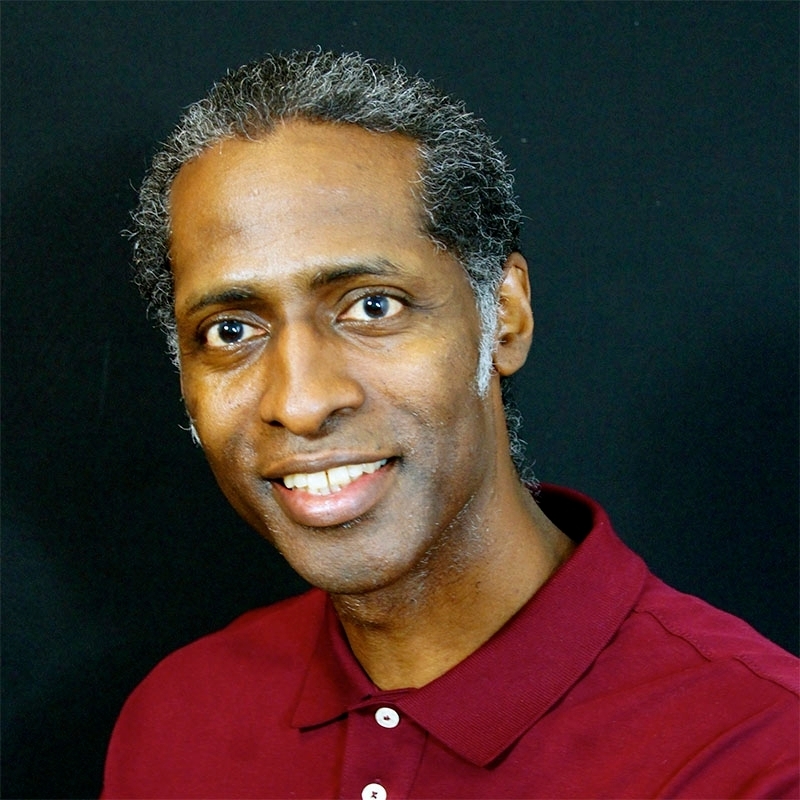
A true pioneer in the world of tech, John Henry Thompson is the mind behind Lingo programming - a scripting language designed to render visuals within computer programs.
It's been used in a wealth of digital products, many of which have come from the company he held the position of chief scientist at, Macromedia™. Thompson's innovations paved the way for the flash and shockwave programs that support our video games, animation, web design, and graphics systems. He's also credited for his role in the development of VideoWorks Accelerator, Video Works II, and MediaMaker. John Henry Thompson is not only a successful computer scientist and engineer, but also an artist and educator. He is passionate about exploring the relationship between technology and creative expression, and continues to do so to this day. Many schools, including New York University and Drexel University, have welcomed him to teach and lecture students.
4. Lewis H. Latimer
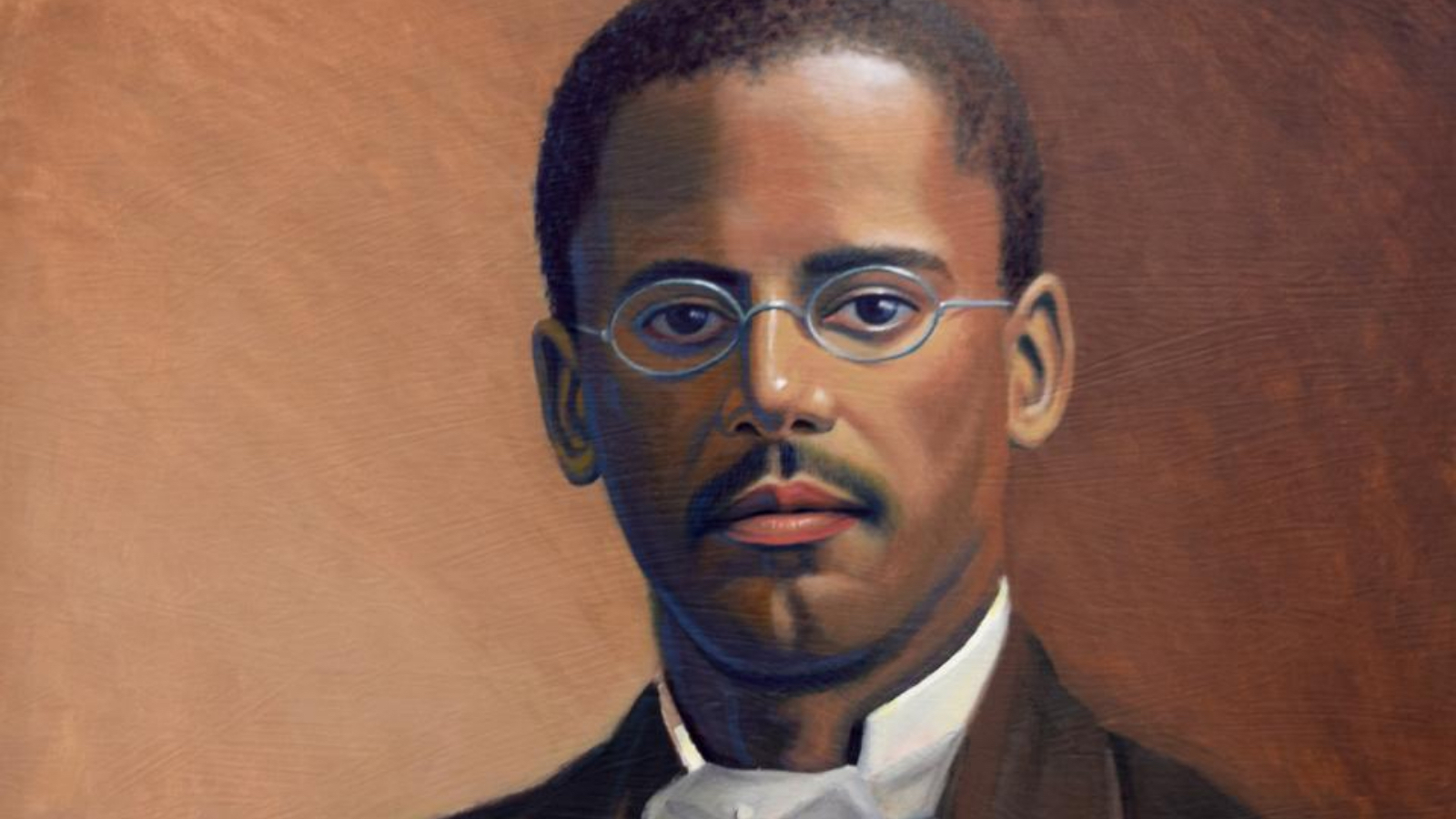
African-American inventor and patent draftsman Lewis H. Latimer was ahead of his time to say the least. Born in September 1848, this man was the son of fugitive slaves with no education, yet rose to become one of the most recognized Black inventors of the 19th century. Lewis' most prominent work stems from his tenure with Thomas Edison's lab in 1884, where his skills helped develop the light bulb. While the details surrounding this invention are somewhat contested, many historians actually credit Lewis H. Latimer, not Thomas Edison, for the breakthroughs that make modern lighting possible.
Aside from his work with the lightbulb, Latimer is also recognized for his work on the early telephone with Alexander Graham Bell. Drawing from his expertise in both electrical engineering and drafting for patent applications, Latimer produced detailed sketches of Bell's telephone that were used to secure the patent. His contribution to the industry of technology is highly celebrated and continues to be an inspiring example of what one can achieve with hard work and determination.
5. Dr. Shirley Jackson
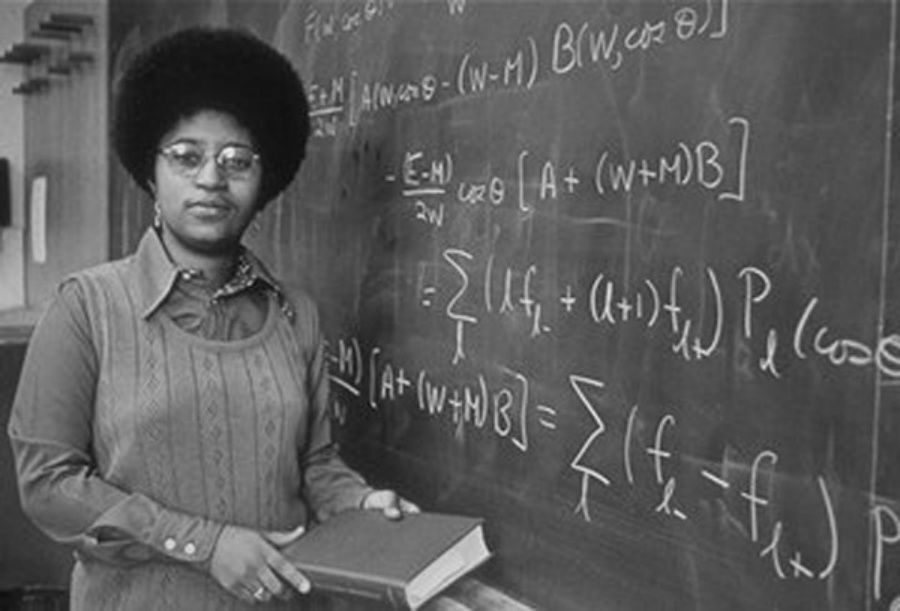
Dr. Shirley Jackson was born in 1946 in Washington D.C. A physicist and the former head of the United States Nuclear Regulatory Commission (NRC), she is one of the first African-American women to earn a Ph.D. in physics from the Massachusetts Institute of Technology (MIT). Dr. Jackson's research has contributed significantly to telecommunications, specifically, the creation of touch-tone telephones, fiber optic cables, call waiting, and caller ID. She has won numerous awards throughout her career, including a National Medal of Science in 2016 and induction into the Women in Technology International Hall of Fame.

6. Kenneth J. Dunkley
Kenneth J. Dunkley is the man you can thank for today's immersive movie experiences. The New York-born, Black inventor is a leader in holography, most well known for his invention of Three Dimensional Viewing Glasses (3-DVG) in 1986. His patented design used an array of lenses to create a realistic 3-D image and depth perception, which is the basis for the modern-day 3D glasses we use in movie theaters. Despite being over 80 years old, Dunkley continues to innovate in his domain as the president of Holospace Laboratories Inc. in Camp Hill, Pennsylvania.

7. Janet E. Bashen
Janet Rita Emerson Bashen was born on February 12, 1957 in Mansfield, Ohio. She started her career with degrees from the University of Houston and Rice University’s Jesse H. Jones Graduate School of Administration. She founded and remains the President of Bashen Corporation, a private firm that investigates complaints of employment discrimination relating to Title VII of the 1964 Civil Rights Act. In 2006, Janet's web-based application, LinkLine, made her the first-ever female African American to hold a patent for a software invention. The program was designed to automate the employee complaint process, which has since been implemented by government agencies and corporations nationwide. Bashen also uses her experiences to mentor and encourage minorities and women in the tech industry. Her success has been recognized with numerous awards, including a Pinnacle Award from the Houston Chamber of Commerce and Crystal Award from the National Association of Negro Women in Business.
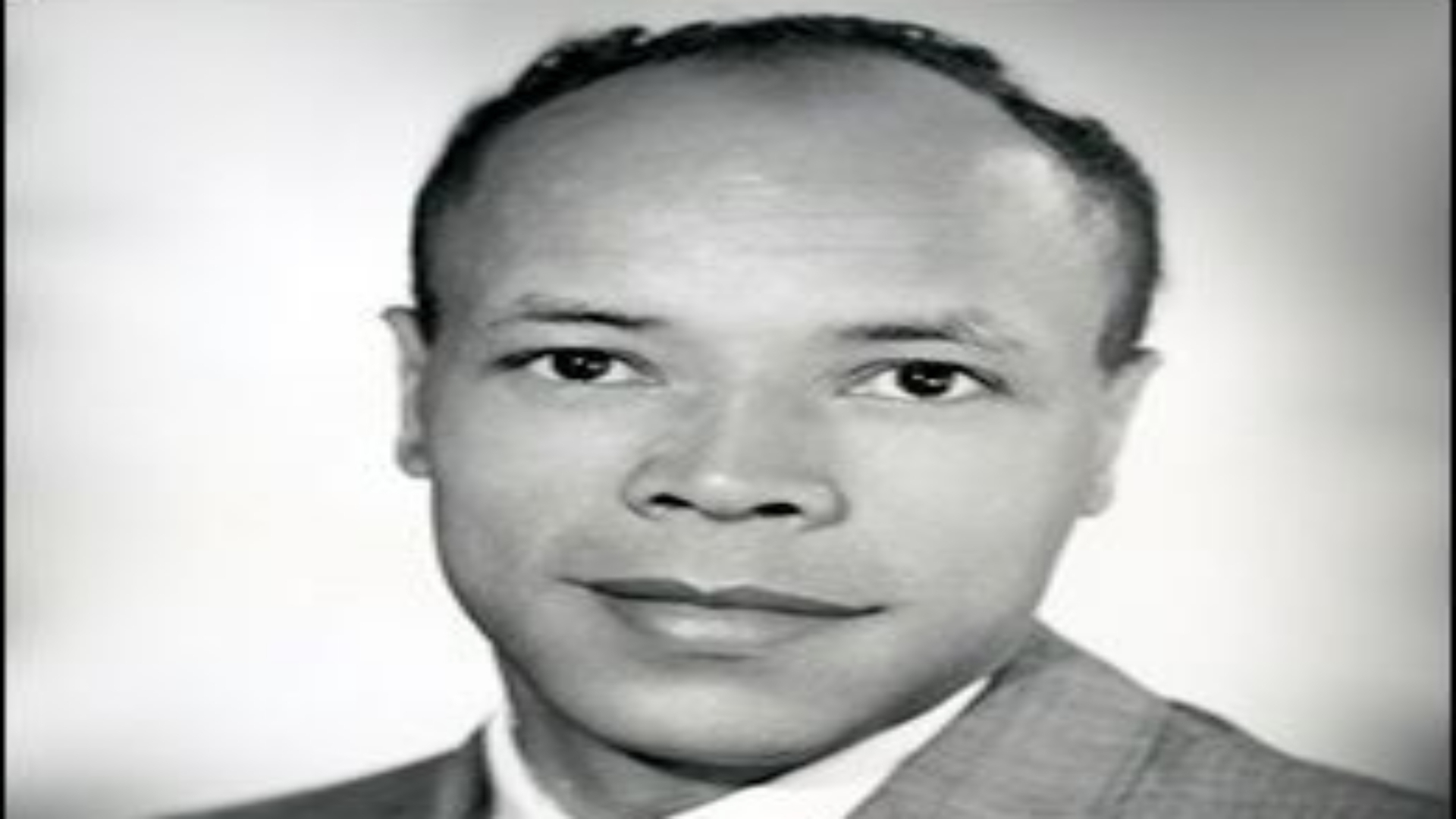
8. Otis Boykin
Otis Boykin was born in 1920 and had an illustrious, groundbreaking career. He was responsible for over 25 inventions, many of which solved problems with guidance systems and electrical components for companies such as IBM, Philips, and Motorola. His most famous design was the wire precision resistor, a device used in almost every modern electronic item, from television sets to radios and computers. He also developed an improved version of the pacemaker, a device used to regulate heartbeats. His inventions were instrumental in helping the world transition from analog to digital, opening up new possibilities for communication and technology.
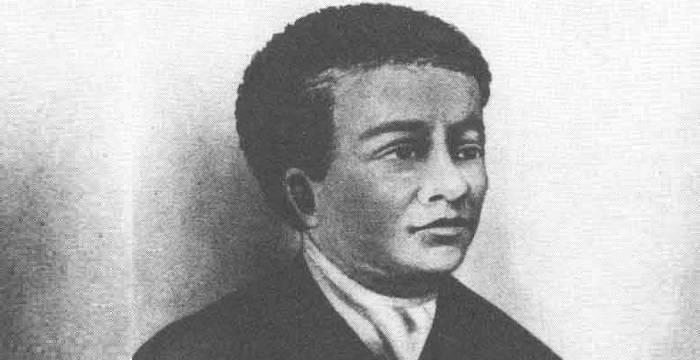
9. Benjamin Banneker
Benjamin Banneker was an African-American scientist and mathematician who lived from 1731 to 1806. He is well-known for his almanacs, which contained astronomical and agricultural information, as well as tide tables and essays on a variety of topics. Banneker is said to have been a self-taught genius, having calculated the 1789 solar eclipse by hand. He is also credited with helping to survey the future site of Washington D.C., as well as developing one of the first mechanical clocks made in America. His writing and research on topics such as race relations earned him recognition from Thomas Jefferson and other prominent figures of the time. He was a true Renaissance man - who pursued his dreams in spite of the discrimination he faced.
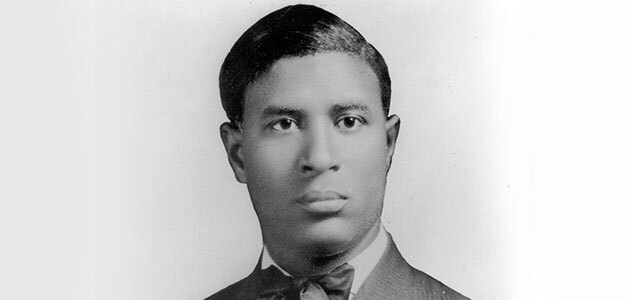
10. Garrett Morgan
Garrett Morgan was born in 1877 and rose to become one of the most famous African-American inventors of all time. He created a number of groundbreaking inventions that are still in use today, including an early version of the gas mask and a zigzag attachment for manual sewing machines. Hailing from Paris, Kentucky, Morgan is most well known for his invention of a three-position traffic signal in 1923. The device, which was first used in Cleveland, Ohio, is the prototype for modern-day traffic lights. He was also an entrepreneur and civil rights activist who opened the first African-American-owned newspaper in Cleveland.

11. George R. Carruthers
George R. Carruthers was an astrophysicist and engineer who made groundbreaking contributions to the study of Earth's atmosphere, interstellar space, and the universe beyond. He is best known for his invention of the ultraviolet camera/spectrograph, which was used to study the composition of stars and other celestial objects. His work was crucial to the success of NASA's Apollo 16 mission in 1972, as he designed a telescope that was part of the equipment used by the astronauts. Carruthers continued to innovate throughout his career, making important contributions to the field of astrophysics and teaching at prominent universities until his death in 2020. NASA recently named the Carruthers Geocorona Observatory in his honor; this satellite mission will observe Earth from space and is scheduled to launch in 2025.

12. Alexander Miles
While they're mainly a place for avoiding eye contact today, elevators used to be very dangerous contraptions. Alexander Miles was an African-American inventor who changed this fact in 1887 with the invention of the safety elevator. He figured out a way to use a combination of automatic doors, emergency brakes, and sensors to make it much safer and more comfortable for people to use elevators. This invention was so revolutionary that it earned him a U.S. patent in 1887, and it is still found in use today in some form or another. Miles' invention has made it possible to travel between floors with ease, allowing the world to build taller buildings and innovate infrastructure to the point it's at today.
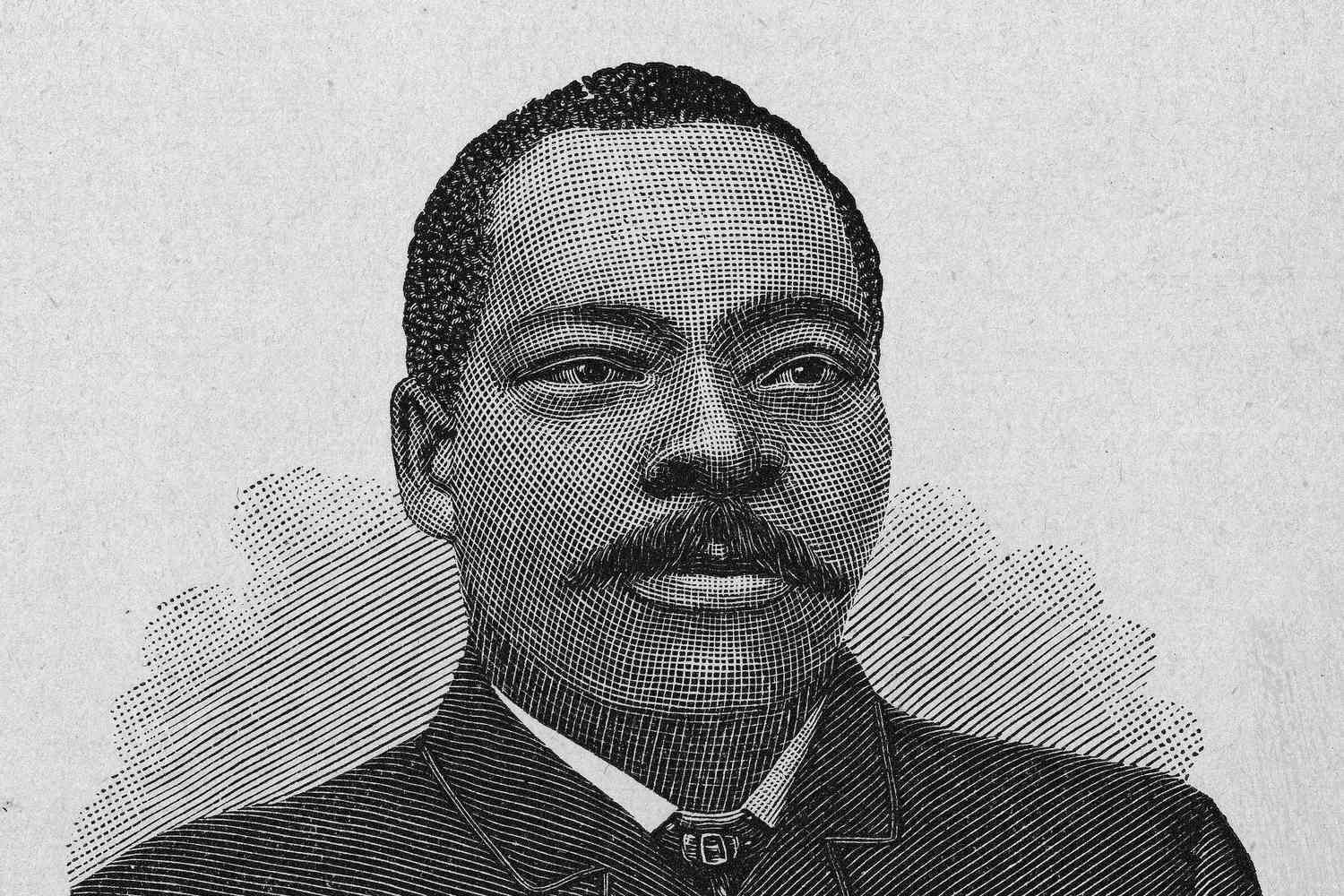
13. Granville T. Woods
Granville T. Woods was an African-American inventor who is credited with more than 50 patents, many of which were for electrical devices. He is best known for his development of the Synchronous Multiplex Railway Telegraph, a system which allowed trains and stations to communicate with each other, as well as his improvements to the telephone, which includes the invention of the telephone transmitter in 1984.
Woods was also a prolific entrepreneur, becoming one of the first African-Americans to found a highly successful business in an era of extreme racial discrimination. He was inducted into the National Inventors Hall of Fame in 2006, not bad for a man who was largely self-taught and a school dropout at the age of 10 years old.
14. David N. Crosthwait, Jr.da
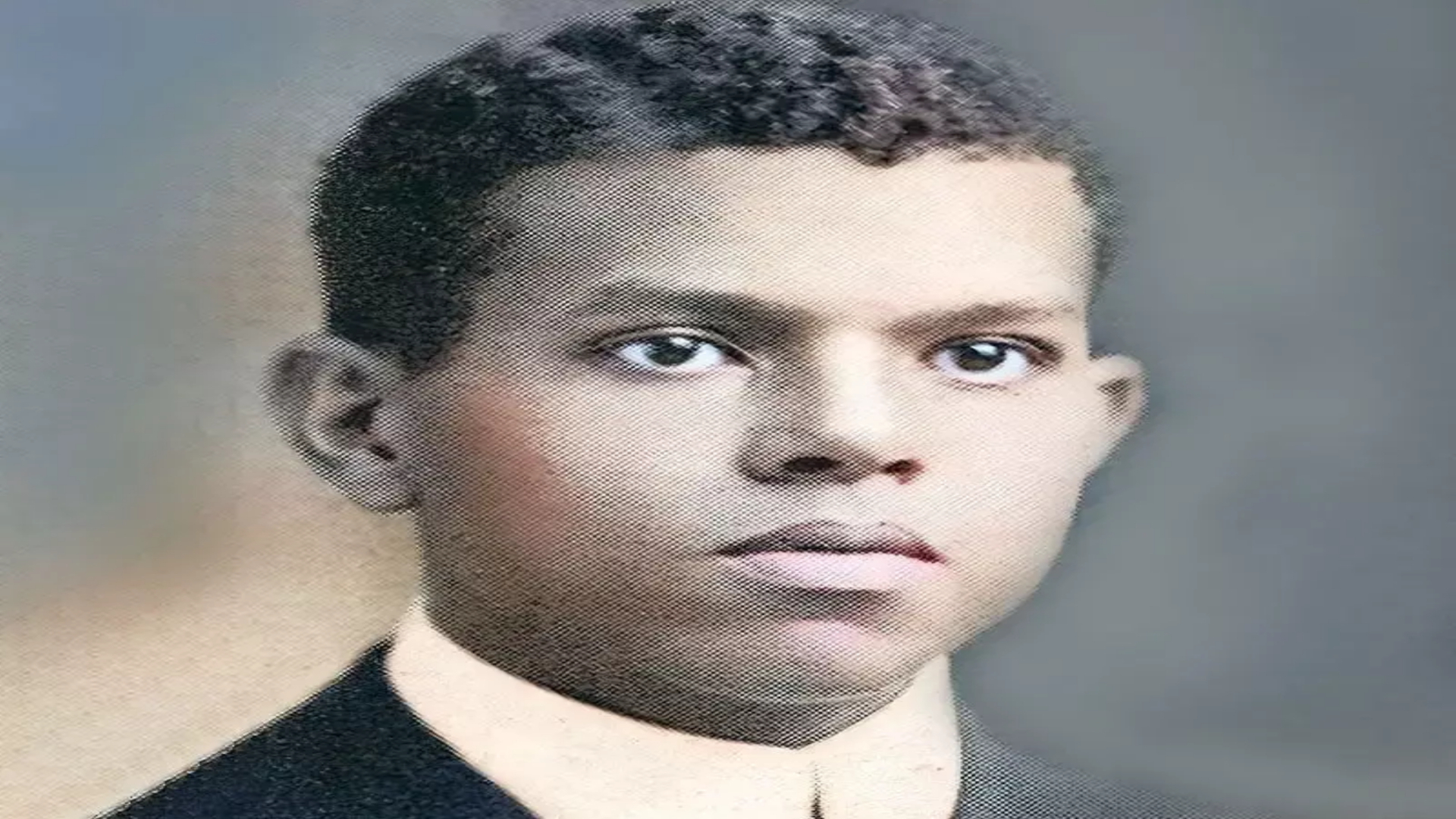
David N. Crosthwait, Jr. was a pioneering African-American engineer and inventor who specialized in heating and ventilation systems. He was responsible for a number of significant innovations in his field, including the invention of a device to measure sound levels in large buildings and a thermostat-controlled gas valve. He also designed some of America's earliest air-conditioning systems, which were installed in New York City’s Rockefeller Center and Radio City Music Hall in the 1920s and 1930s.
Crosthwait's legacy extends beyond his inventions; he was also a trailblazer in many regards. As the first black member of the American Society of Heating, Refrigeration, and Air Conditioning Engineers, his commitment to engineering excellence and social justice inspired generations of African-American inventors and STEM leaders who followed in his footsteps.
15. Roscoe L. Koontz
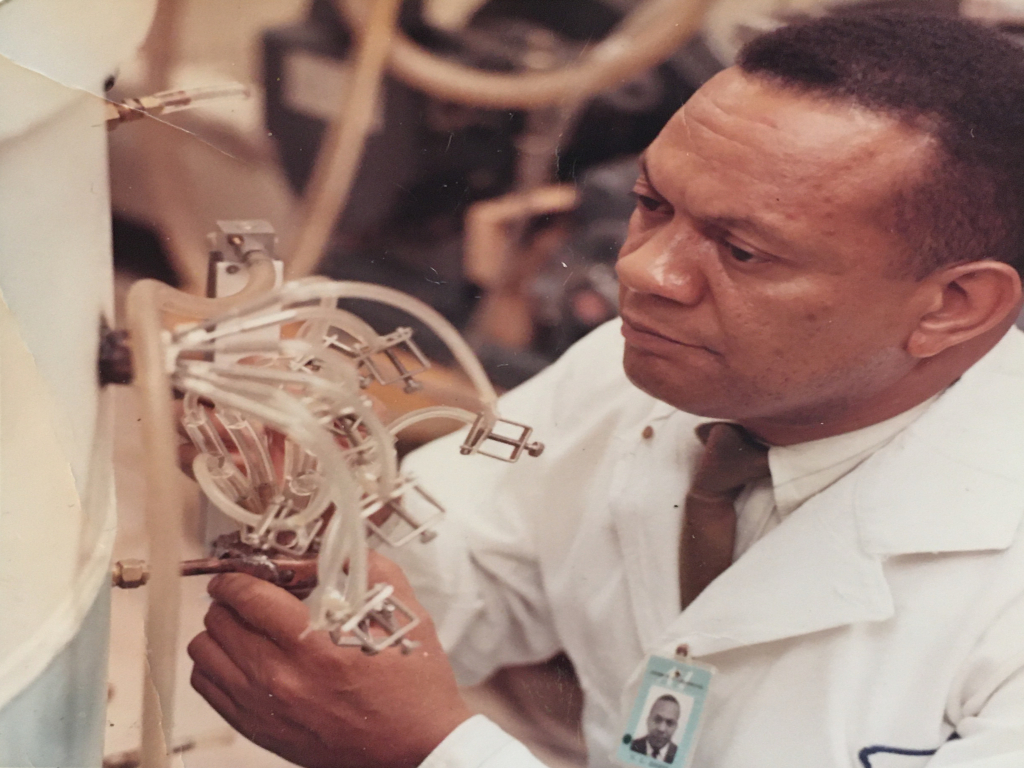
Roscoe L. Koontz was a pioneer in the field of health physics who, along with his colleagues, made significant contributions to the development of modern medical care. In 1948, he became one of the first formally trained professionals in his field by participating in the University of Rochester's Energy Health Physics Fellowship Training Program. Koontz went on to design a pinhole gamma ray camera and collimator, along with helping to design and fabricate automatic air and water sampling equipment and radiation activity measuring devices. His research on the effects of radiation on human health was revolutionary and helped to shape modern standards in the field. Roscoe L. Koontz died in May 1997, but his legacy lives on in the form of improved medical care and safety. Hospitals, nuclear power plants, and many other facilities still use radiation safety equipment he helped design.
16. Andrew Jackson Beard
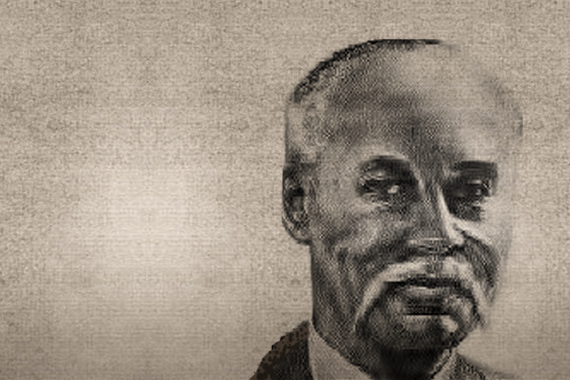
Born a slave in 1849 and then emancipated 15 years later, Andrew Jackson Beard is known as the man responsible for the first automatic railroad car coupler. For those unfamiliar with train design, this component is a mechanical device that connects two rail cars together to form a train. Before Beard's invention, it was very dangerous for railroad workers to manually connect and disconnect rail cars in order to form trains. Beard's design involved an interlocking device that connected two cars together with less effort, allowing a single worker to do the job much more safely. His invention was awarded a patent in 1897 and is still used today on most modern trains in some form. Beard's ingenuity has saved countless lives and revolutionized the modern railroad industry. He was posthumously inducted into the United States' National Inventors Hall of Fame in 2006.
17. Valerie Thomas
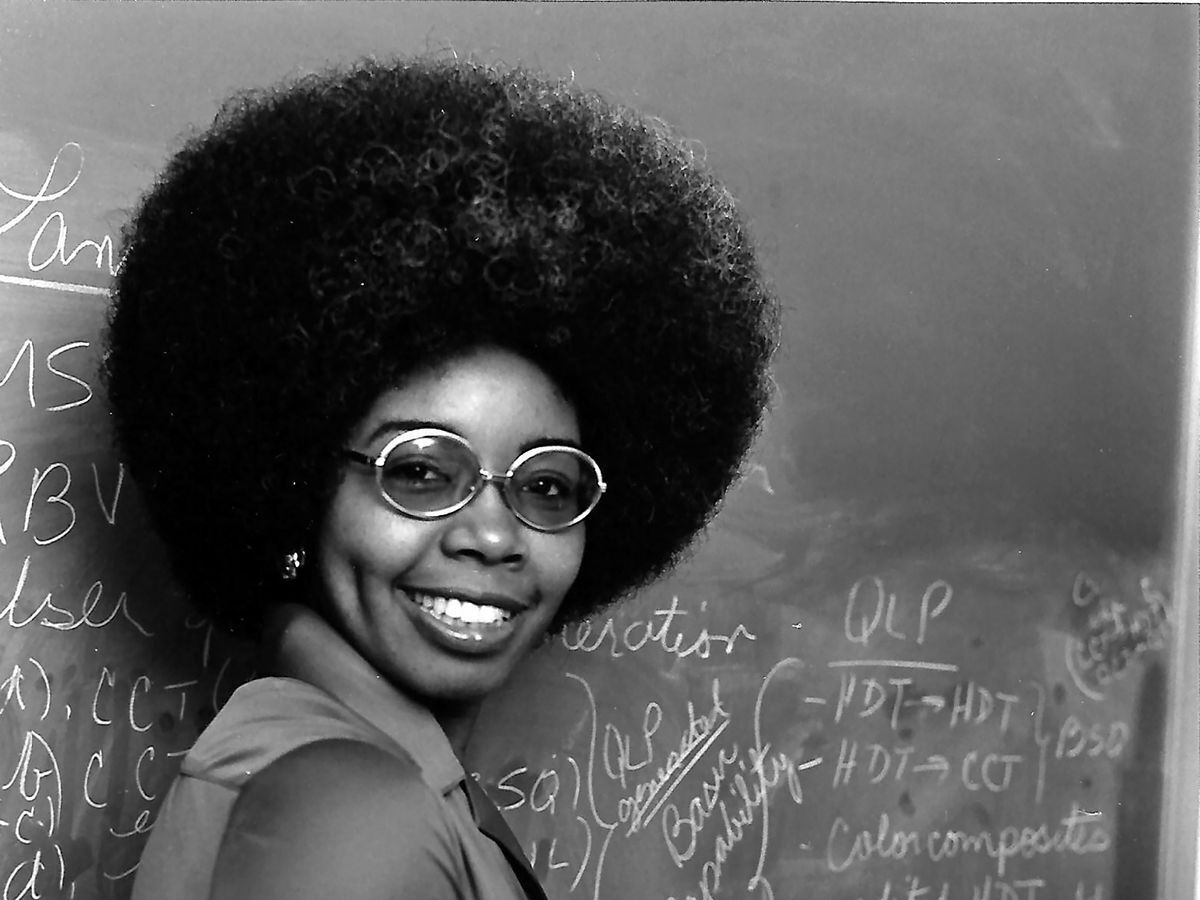
Valerie Thomas is another incredible Black innovator who made countless contributions to the world of technology. She was an inventor, physicist and NASA scientist who became famous for her invention of the Illusion Transmitter device. This device uses flat images to create three-dimensional illusions and was used in medical imaging, weather prediction, and military defense. Valerie Thomas went on to win multiple NASA awards and recognitions, including the NASA Equal Opportunity Medal and Goddard Space Flight Center Award of Merit. She has described herself as a "lifelong learner" and currently serves as a regional president of Shades of Blue, a group that promotes students' interests in aerospace and aviation. Countless women and Black people in STEM have been inspired by Valerie Thomas’s achievements and continue to push boundaries in the field of science and technology.
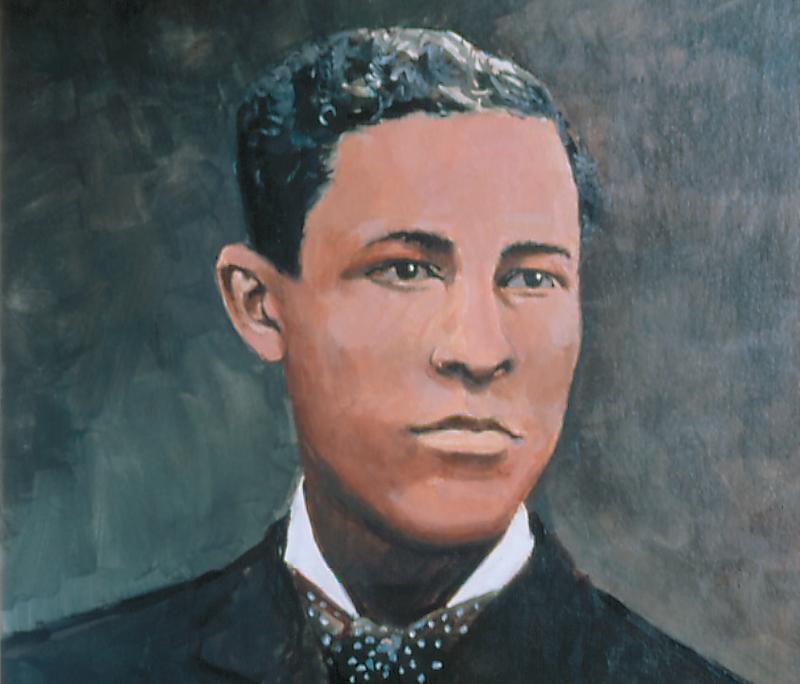
18. Jan Ernst Matzeliger
While Michael Jordan may be the first name that comes to mind when you think about successful Black men in the shoe business, Jan Ernst Matzeliger made it first. The son of a native Black mother and Dutch father, the Surinamese inventor was born in 1852 and raised in the Dutch colony of Paramaribo. Matzeliger's biggest contribution to footwear came in 1883 with the patenting of his shoe lasting machine, a mechanism that could be used to quickly and efficiently attach the upper part of a shoe to its sole. This allowed shoemakers to mass produce shoes and drastically reduce the cost of footwear for consumers. By 1887, Matzeliger's machine had revolutionized the industry, producing up to 600 pairs of shoes in one day. Matzeliger is credited with having revolutionized shoe production and paved the way for the modern footwear industry.
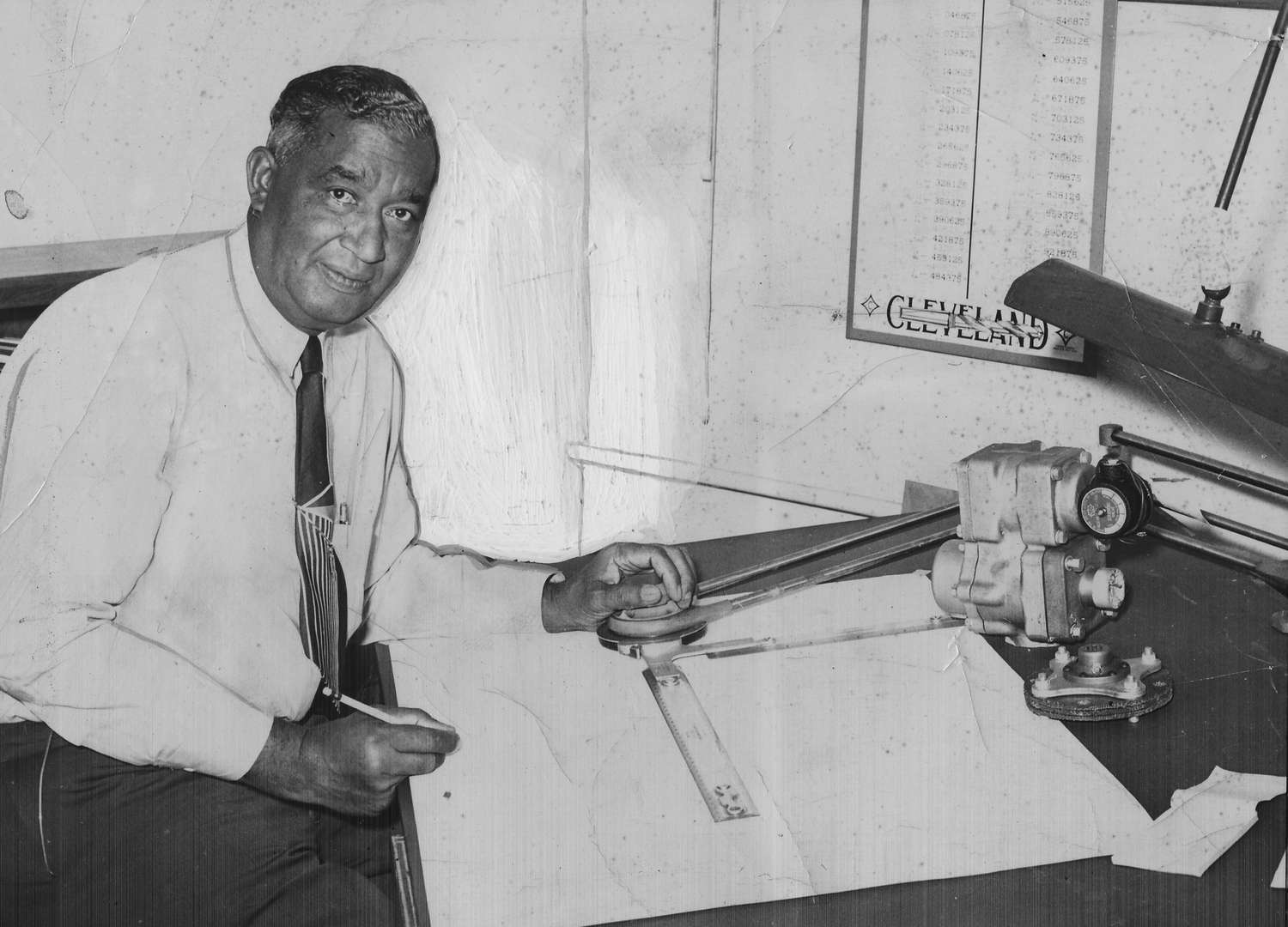
19. Frederick McKinley Jones
Frederick McKinley Jones was born in Covington, KY on May 17, 1893. He is widely considered one of the most important American inventors, having made over 60 inventions in his lifetime. He is best known for developing a refrigeration system for long-haul trucks and trains, which allowed food to be transported over long distances. He also invented the first practical movie-ticket-dispensing machine that returned change, which remained in use for over 50 years.
In 1991, Jones was posthumously awarded the Presidential Medal of Technology, becoming the first African American to receive such an honor. Jones' inventions revolutionized the transportation and entertainment industries, making them more sanitary and efficient. His contributions to food transport in particular have been indispensable in helping maintain the health of countless people. His inventions continue to be used today, ensuring his legacy of innovation lives on.
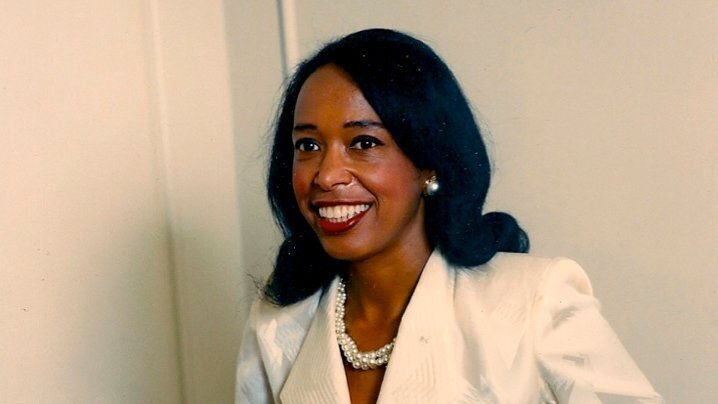
20. Dr. Patricia Bath
One of the first female African-American ophthalmologists and the inventor of modern laser cataract surgery, Dr. Patricia Bath has long been a pioneer in the medical field. She graduated from Howard University College of Medicine with a doctoral degree in 1968, becoming one of the first African-American women to do so, and went on to complete her residency in ophthalmology at New York University. Dr. Bath dedicated her life to medical research and was best known for her invention of the Laserphaco Probe—a device used to treat cataracts that has revolutionized modern eye surgery. A number of other patents and medical breakthroughs followed, cementing her legacy as one of the most important Black women in the history of medicine. Although she passed away in 2019, her legacy lives on as an inspiration for women of all backgrounds.
Remember: Black History Is American History
Black history is not separate from American history, but rather an integral part of our nation's story. From groundbreaking innovations to brave acts of resistance, African Americans have made countless contributions to our society. By exploring the rich history of black Americans, we can gain a better understanding of our collective past and help build a brighter future.
While Rosa Parks and Malcolm X have their rightfully-earned pedestals in history, they're not the only groundbreakers worth celebrating this Black History Month. The lesser-known inventors, pioneers, and entrepreneurs showcased here have equally contributed to the progression and improvement of society across many different industries and fields. They're heroes whose influence can still be felt to this day, and whose legacies should be remembered and honored.
